WWF publishes code of conduct for shark and ray tourism
scuba divingenvironmentmarine conservationshark tourism
0 views - 0 viewers (visible to dev)

(c) Jan Finsterbusch
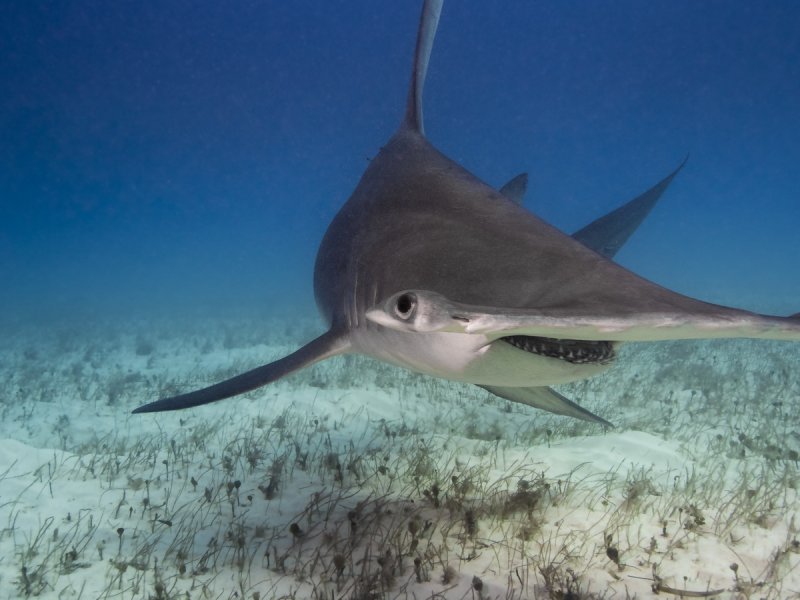
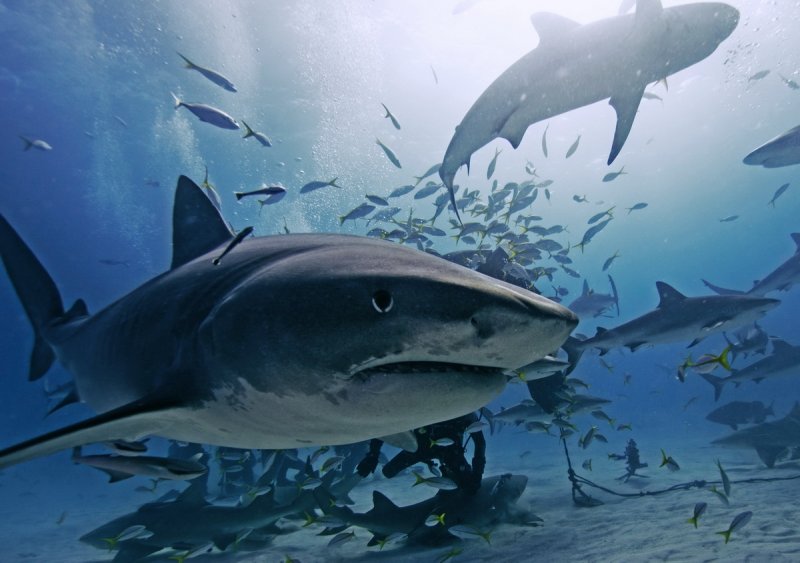
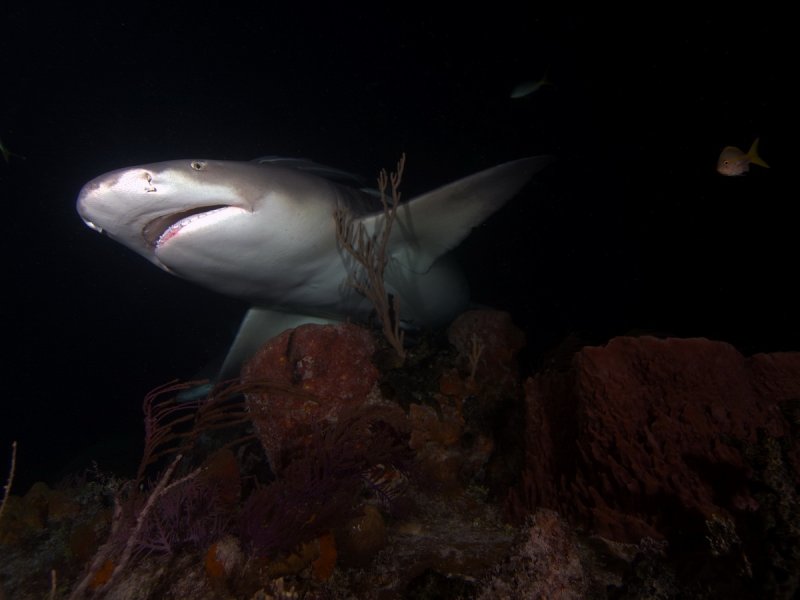
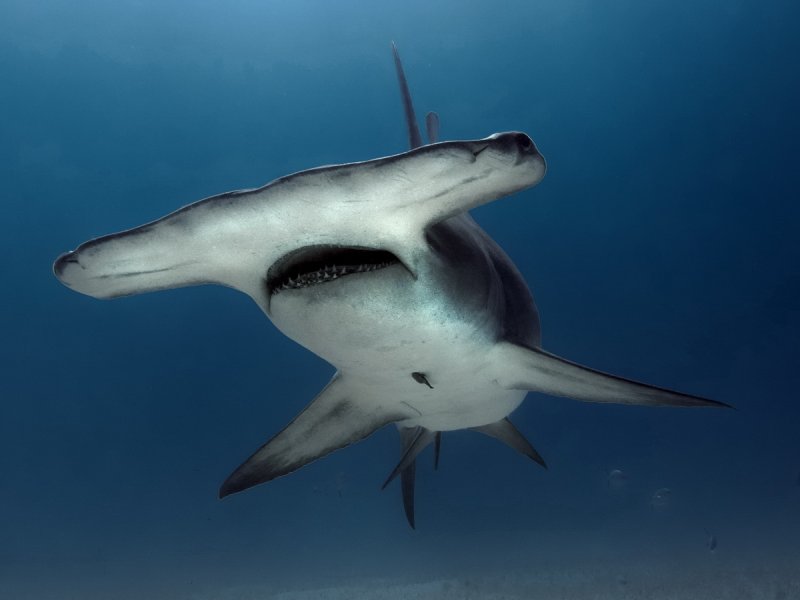
Many people think that running into a shark underwater is a horrible experience. However, more and more divers would regard such an encounter as the highlight of their dive. For such encounters, the WWF has now published the first international code of conduct for sustainable shark and ray tourism. Every fourth shark and ray species is threatened with extinction. The main reason for this is overfishing: sharks are being fished for their fins or they end up as by-catch on longlines or trawlers. On the other side of the coin, diving and snorkelling with these large animals is becoming more popular.
Dive tourism with sharks and rays has become a million-dollar industry. It doesn’t make it easier to protect these endangered animals, but it can have a positive effect, " said Philipp Kanstinger, marine ecologist and researcher at WWF Germany, in German. Dive centers are often situated in well-preserved marine regions and benefit from a healthy underwater world. However, the money earned by operators often flows out of the country instead of being channelled back into the local infrastructure or the preservation of marine habitats. Often, dive tourism finds itself at odds with local fisheries. However, by educating and working with local diving guides, or by making a contribution to the local infrastructure, dive sites can take responsibility for the people who depend on the sea. You can earn more money with a live shark than with a dead one in the market, but at least a part of the money should stay in the country to work on further protection. The protection of nature – especially the large predators – only works with the support of the population, " said Kanstinger.
In principle, Kanstinger regards divers as natural allies when it comes to the protection of threatened marine creatures like sharks and rays. Whoever dives would love the sea, and dive sites thrive on the fascination of healthy seas. Nevertheless, the negative effects on successful dive spots are often unpredictable. Too many dive boats and not keeping sufficient distance can stress the animals, and may even drive them away from food sources.
The controversial practice of feeding is also common as it brings about a spectacular encounter with sharks for the divers. Baiting is an interference in the ecosystem because it changes the sharks’ natural behaviour. It is justifiable when used with a scientifically documented feed schedule, but wanton feeding or feeding by hand is absolutely not recommended, " said Kanstinger. Before the holiday season starts, WWF advises the public to find out about the working practices of dive operators before booking a dive trip. " Divers have the power to protect sharks. It begins with the choice of a dive operator and continues in thoughtful behavior underwater, " said Kanstinger.
See here for more information
(c) Jan Finsterbusch
(c) Jan Finsterbusch
(c) Jan Finsterbusch
(c) Jan Finsterbusch